Read our expert guide on how we do our part to keep projects on schedule.
Garden style multi-family developments are complex moving systems. Over the years, Edison has mastered the complex scheduling that often comes with working among multiple trades across sequential buildings.
Garden-style means navigating rough-in and trim crews with coordination among a team of contractors. Edison always emphasizes that each crew is on the same team, and we all have one goal, to stick to the master schedule as closely as possible.
Implementing a Developer’s Project Timeline
While electrical contractors are not the ones who control making the timeline, we can help keep the timeline on track. There should never be competition or individuality on a job site.
When one team runs behind, over a delayed material shipment or an unexpected site issue, it is up to the entire team of contractors to figure out how to rearrange the puzzle to keep on schedule. Maybe one team comes in earlier or later than planned.
Often, a delay in the initial time period of the project means compression on the mechanical, electrical, and plumbing timelines. Edison’s internal scheduling is built to handle those compressions. With a robust team of manpower and 50-80 electricians at all times, we are always prepped to handle rough-in and trim simultaneously to ensure a project stays on schedule.
We are often running five to eight projects at once, usually over 200 units each. That is why we always have a foreman on site, not just while our team is working, but throughout the entire project. This ensures that when delays happen, we can effectively communicate with the plumbing, mechanical, and other teams to find solutions and adjust other timelines.
Scheduling in the Field
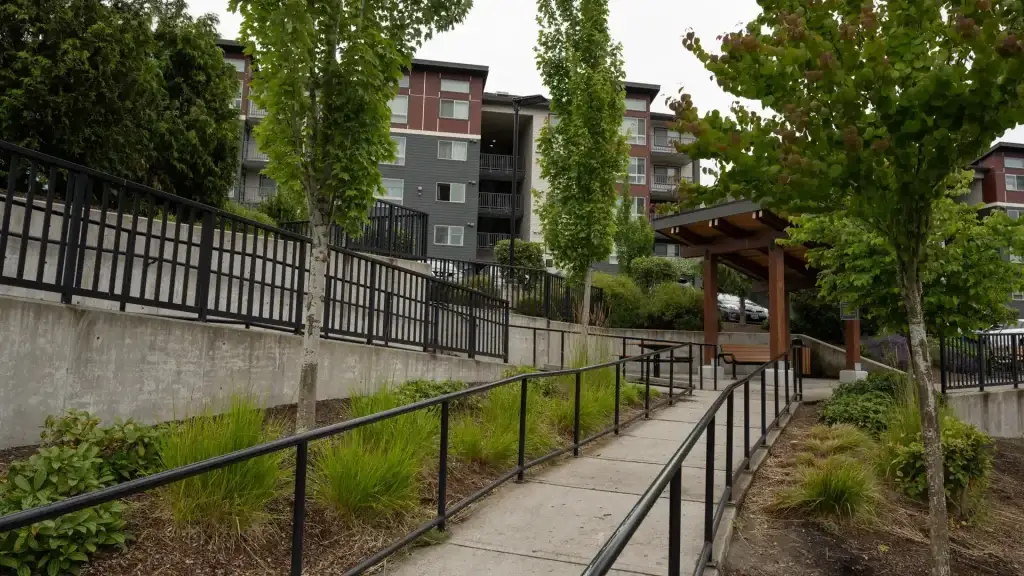
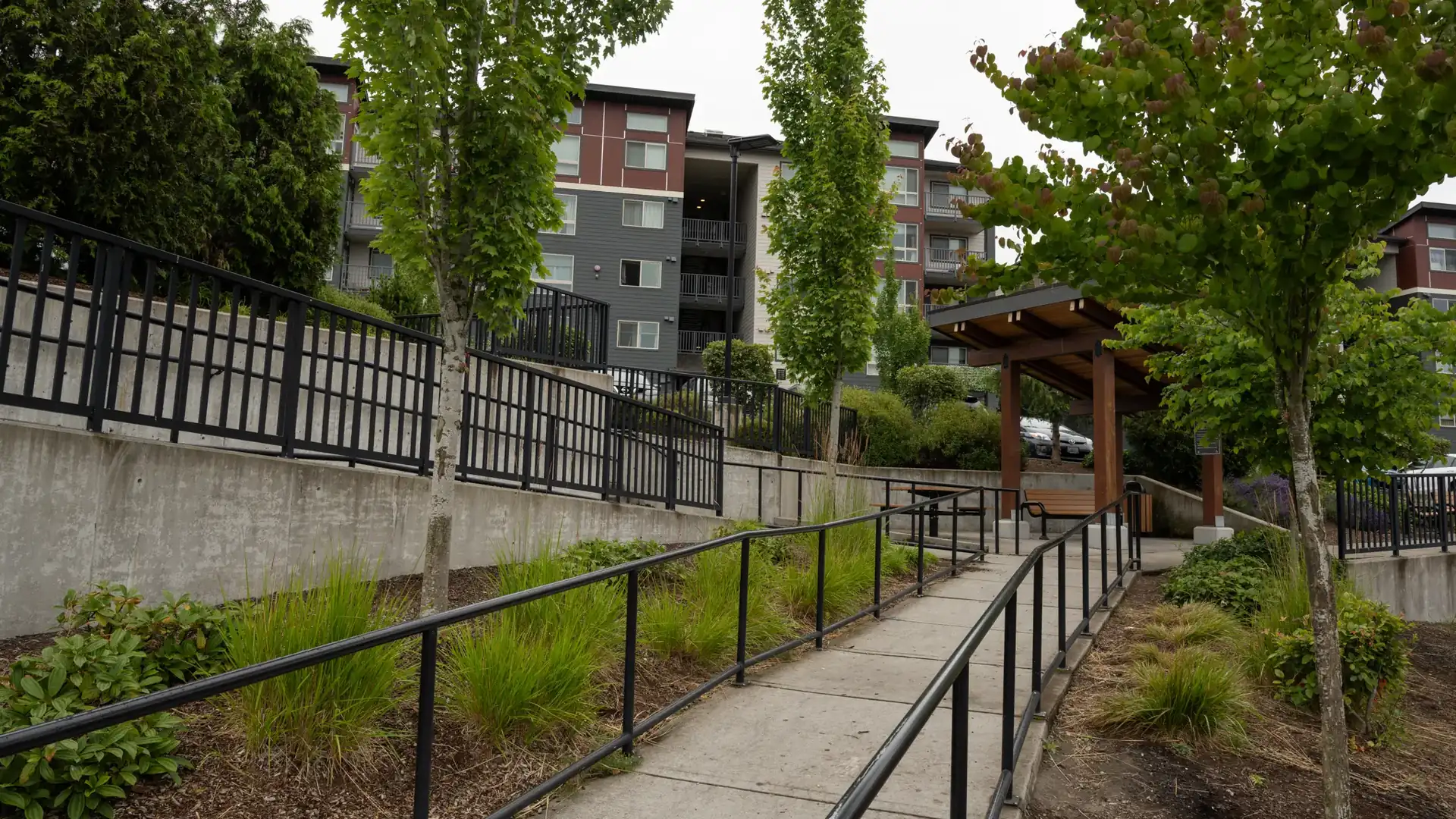
Edison’s robust team at Esterra Park handled scheduling over years of working on four blocks on the nine-block footprint. Each block took just over two years to build.
Keeping momentum through a project of this size is an immense task. We kept the same dedicated crew on Avalon through the years, which allowed them to become familiar with the buildings and keep the build timely.
Because of the crew’s consistency, they could anticipate delays before they occurred. As they were handed new blocks, the scheduling never strayed.
Navigating Utility and Metering Requirements
When it comes to metering, we’re prepared right off the bat. Under Snohomish PUD, we are required to have all meters in one single ground floor location. This means that before we begin, we have done extensive pre-planning to prevent voltage drop over the long distances the wires must travel.
Seattle City Light allows meters to be on different floors, which can be much easier to manage.
Being familiar with these regulations allows us to foresee potential issues early on.
Maintaining the Master Schedule
Planning ahead is key. We always look for ways to avoid future bottlenecks, and value engineering helps keep us on track while in the field. This prevents overlooked details between contractors, which ensures accurate bidding and steers clear of change orders.
Without our team’s deep history in this industry, we would not have such a good understanding of where we can save time and money. That base allows us to maintain schedules.
We know that if we run behind, the next team will run behind. If issues arise, our experience brings us the understanding that honesty is going to benefit every team in the long run.
Your mid-rise deserves a contractor who's done it before.
When you request a bid, you will meet our team face-to-face so we both have an idea of what the project entails.